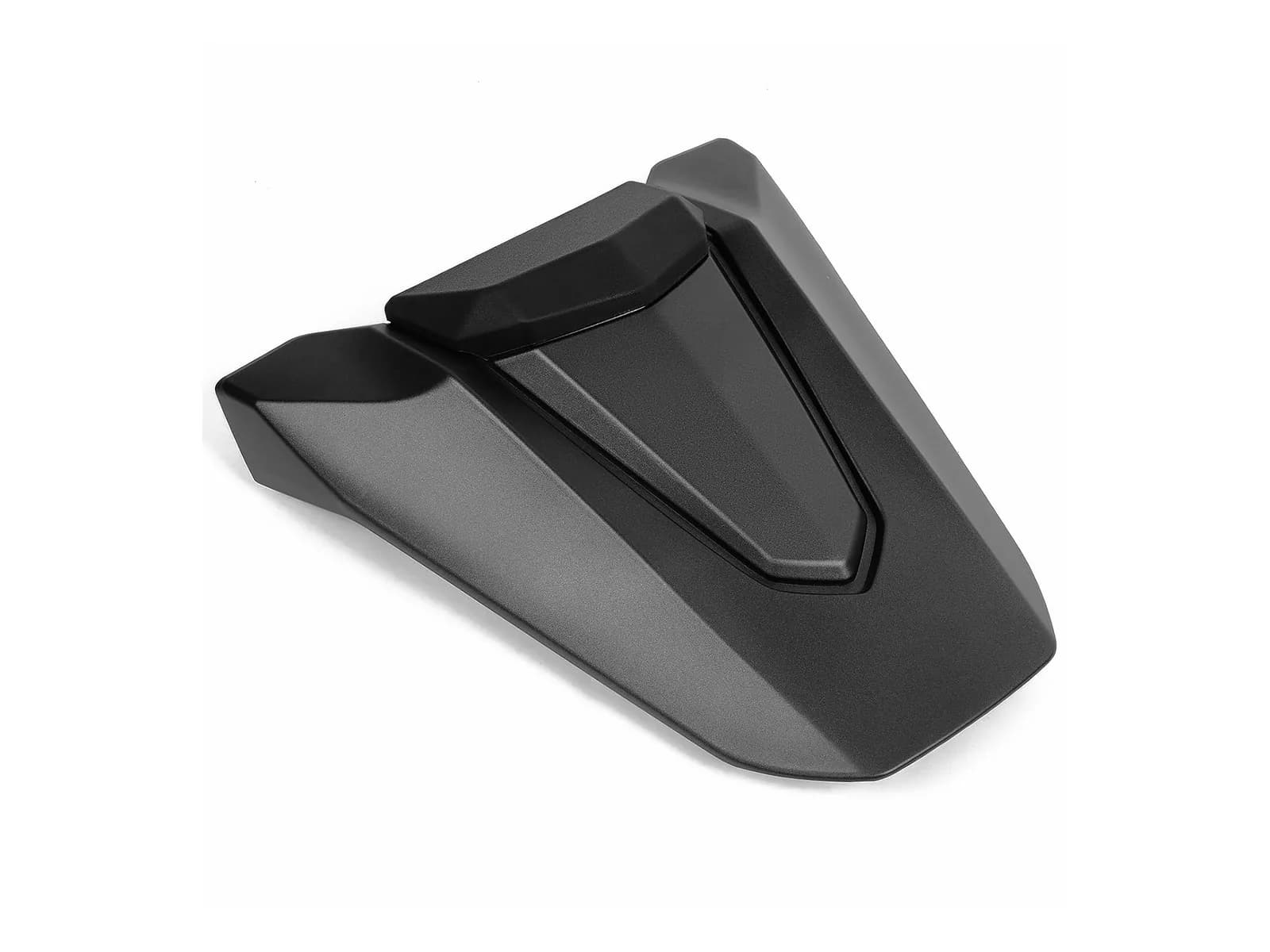
Rear Tail Cowls
The rearmost body section, often deep and tapered, which may frame the tail lamp and join the left and right side panels.
Motorcycle Tail Section Tooling
Injection mold tooling for motorcycle tail sections: cowls, side panels, and seat surrounds that bring the seat, tail lamp, and rear bodywork together.
Discuss Your Tail Section Mold ProjectApplications
The tail section shapes the rear of the motorcycle behind and around the seat. It is usually assembled from several panels that meet the seat, lighting, and rear subframe.
The rearmost body section, often deep and tapered, which may frame the tail lamp and join the left and right side panels.
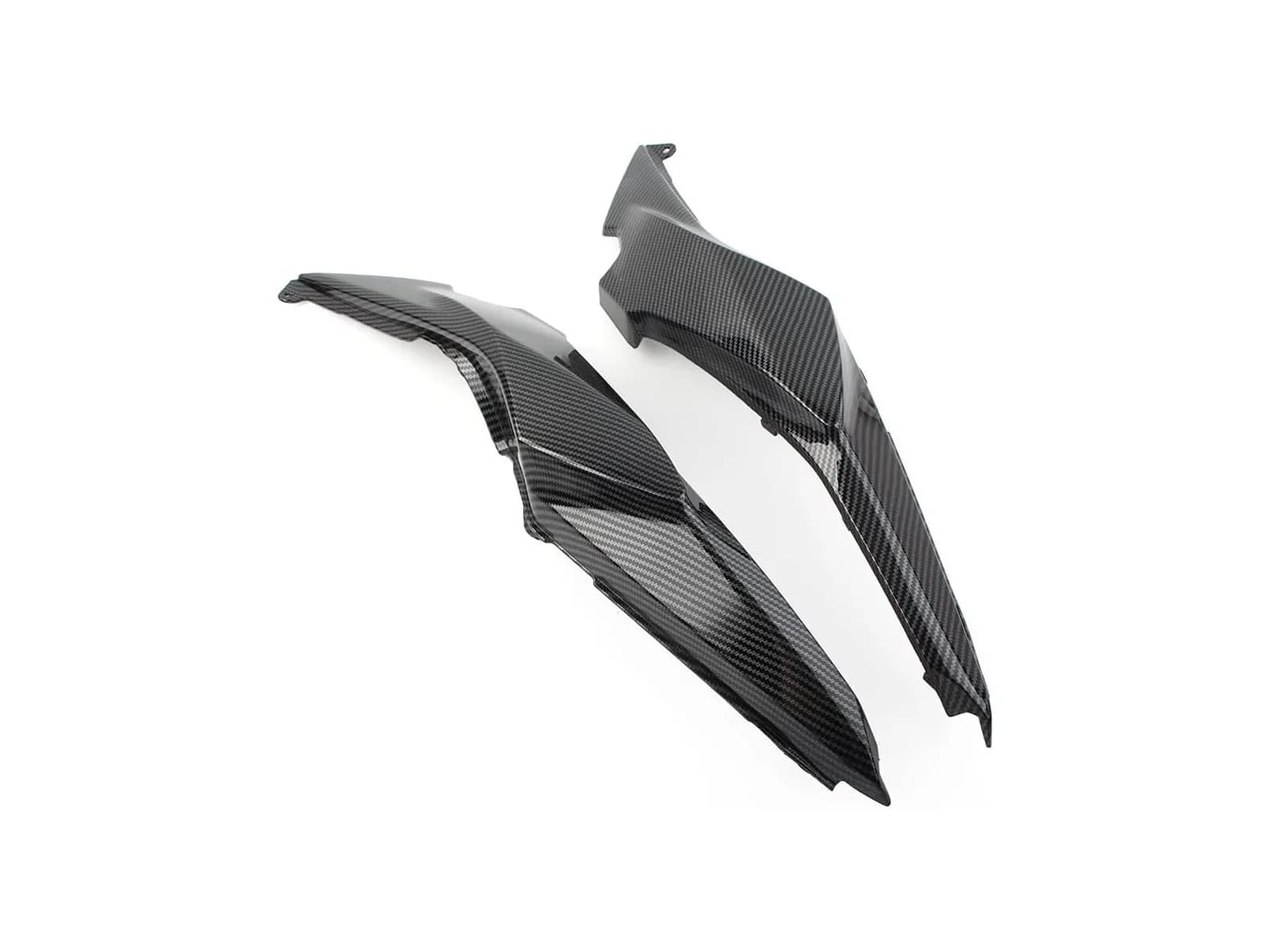
Panels below the seat on each side, carrying the bodywork lines from the side covers and tank area toward the rear.
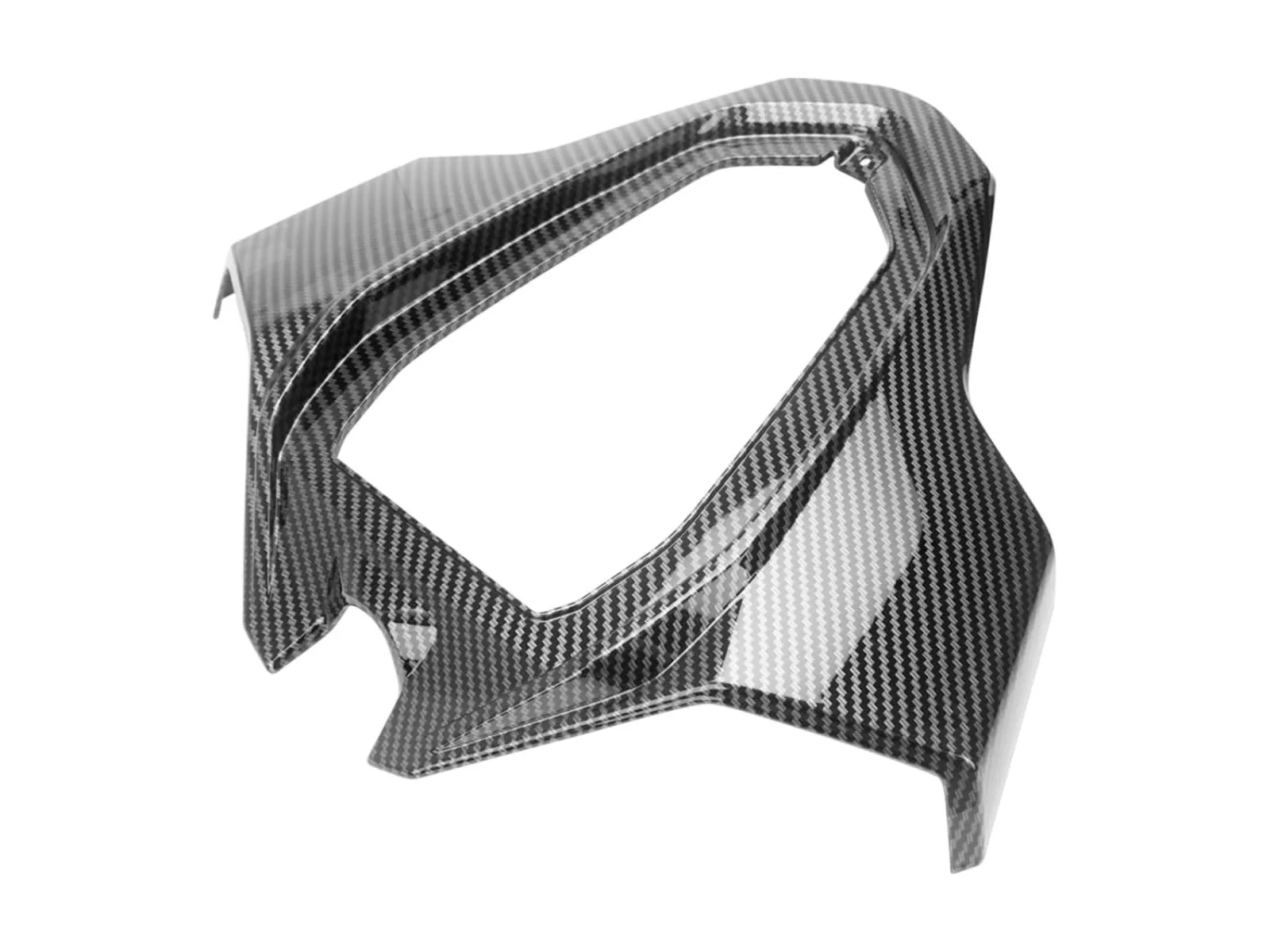
Covers and seat cowls around the seat edge and pillion area, where the seat base, seat lock, and grab handle positions meet the bodywork.
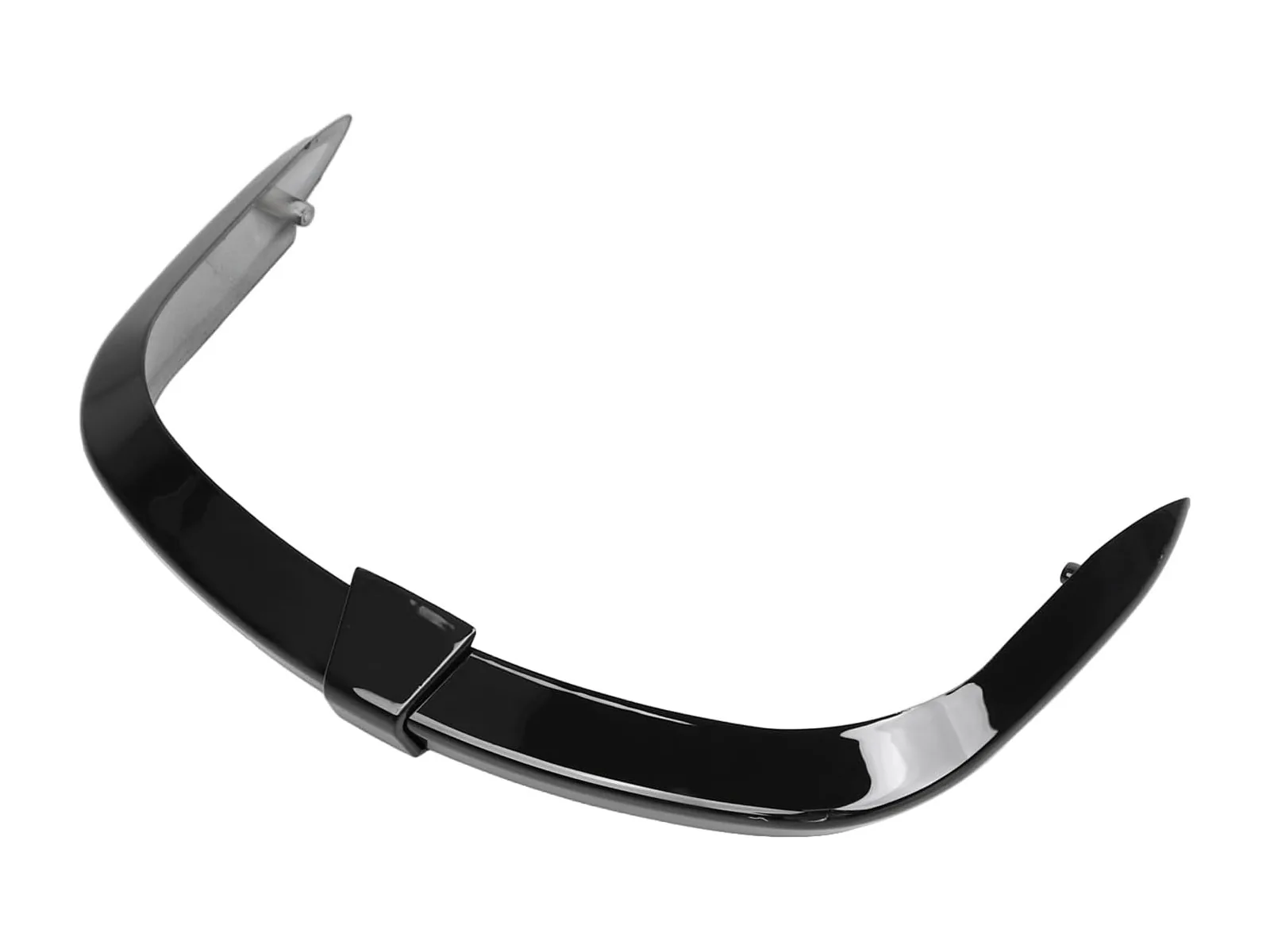
Smaller trim pieces, covers, and closeouts around the rear frame, license plate area, and underside of the tail.
Typical application categories, not a list of completed projects.
Design Considerations
Engineering topics that typically shape tail section tooling. Which of them apply depends on how the tail is laid out and assembled.
Tail panels wrap around the seat base, seat lock, and sometimes grab handles or a pillion cover. Their edges and recesses are defined by these parts, so the mating geometry from the customer's assembly design is a key input.
Where the design integrates a tail lamp or indicators, the openings must match the lamp housing and its seal or trim. Thin edges around these openings are reviewed for how they fill and how the part releases from the mold.
Tail cowls are often deep and narrow toward the rear. Deep side walls need enough draft for the planned surface finish, and enclosed areas may call for lifters or slides, which shapes the overall mold structure.
Many tail sections use mirrored left and right panels, while others use a one-piece cowl. How mirrored parts are tooled is decided in the tooling proposal, based on the part design and production requirements.
Panels are typically fastened to the subframe with screws, grommets, or clips, and to each other with tabs. These features sit on the hidden side and are placed to keep marks off the visible surfaces.
Under the seat, a tail section may include storage trays, inner liners, or covers for electrical parts. These functional parts can carry many ribs and clips, while only the outer panels carry the visible finish.
Application-dependent considerations. Not every tail section includes an integrated lamp, grab handles, or mirrored side panels.
Tail section molds follow the shared engineering-to-delivery workflow, where undercuts and mold actions for deep shapes are identified in the DFM report and mold design drawings you approve before manufacturing begins.
See the full manufacturing processInquiry Preparation
File sharing is not open yet. A secure option will be provided when online quote requests become available.
Request a Quote
Review the quote information to see what to prepare. Online quote requests are being set up; in the meantime, contact INJ Mold Pro by email or phone using the details below.