Manufacturing Process
Manufacturing Capabilities
Factory-direct injection mold manufacturing, with INJ Mold Pro as your direct point of contact from design review and tooling preparation to mold trials, quality inspection, and delivery.
Discuss Your ProjectFactory-Direct
One Point of Contact From Design to Delivery
From your first inquiry to final mold delivery, INJ Mold Pro provides a single point of contact for quotations, engineering coordination, production updates, quality review, and shipment arrangements.
- Quotations
- Engineering Coordination
- Production Updates
- Quality Review
- Shipment Arrangements
Engineering to Delivery
Injection Mold Manufacturing Process
A mold project moves through 11 stages, from the first review of your drawings to documented delivery. Two stages require your confirmation before the project moves on.
Customer approval checkpoints
- Stage 03 · Order Confirmation
You confirm the quotation and pay the agreed deposit.
- Stage 05 · Customer Engineering Approval
You review and confirm the engineering documents before manufacturing begins.
Phase 1
Review & Quotation
Requirements Review & Tooling Proposal
Your product drawings and requirements are reviewed, including material grade, shrinkage, and part requirements. A proposed tooling solution is developed, covering decisions such as cavity count, runner configuration where applicable, gate design, and mold material.
Quotation
A quotation is prepared based on the proposed mold solution.
Phase 2
Order & Engineering Approval
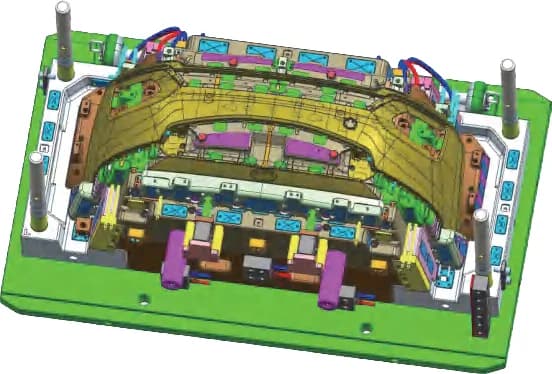
Order Confirmation
You review the quotation and confirm the order by paying the agreed deposit.
Customer approval: You confirm the quotation and pay the agreed deposit.
Engineering Preparation
Mold design drawings, a DFM (design for manufacturability) report, and a mold-flow analysis report are prepared, and mold material preparation is coordinated.
- Mold design drawings
- DFM report
- Mold-flow analysis report
Customer Engineering Approval
The engineering documents are submitted to you for review. Manufacturing proceeds only after the required confirmation.
Customer approval: You review and confirm the engineering documents before manufacturing begins.
Phase 3
Mold Manufacturing
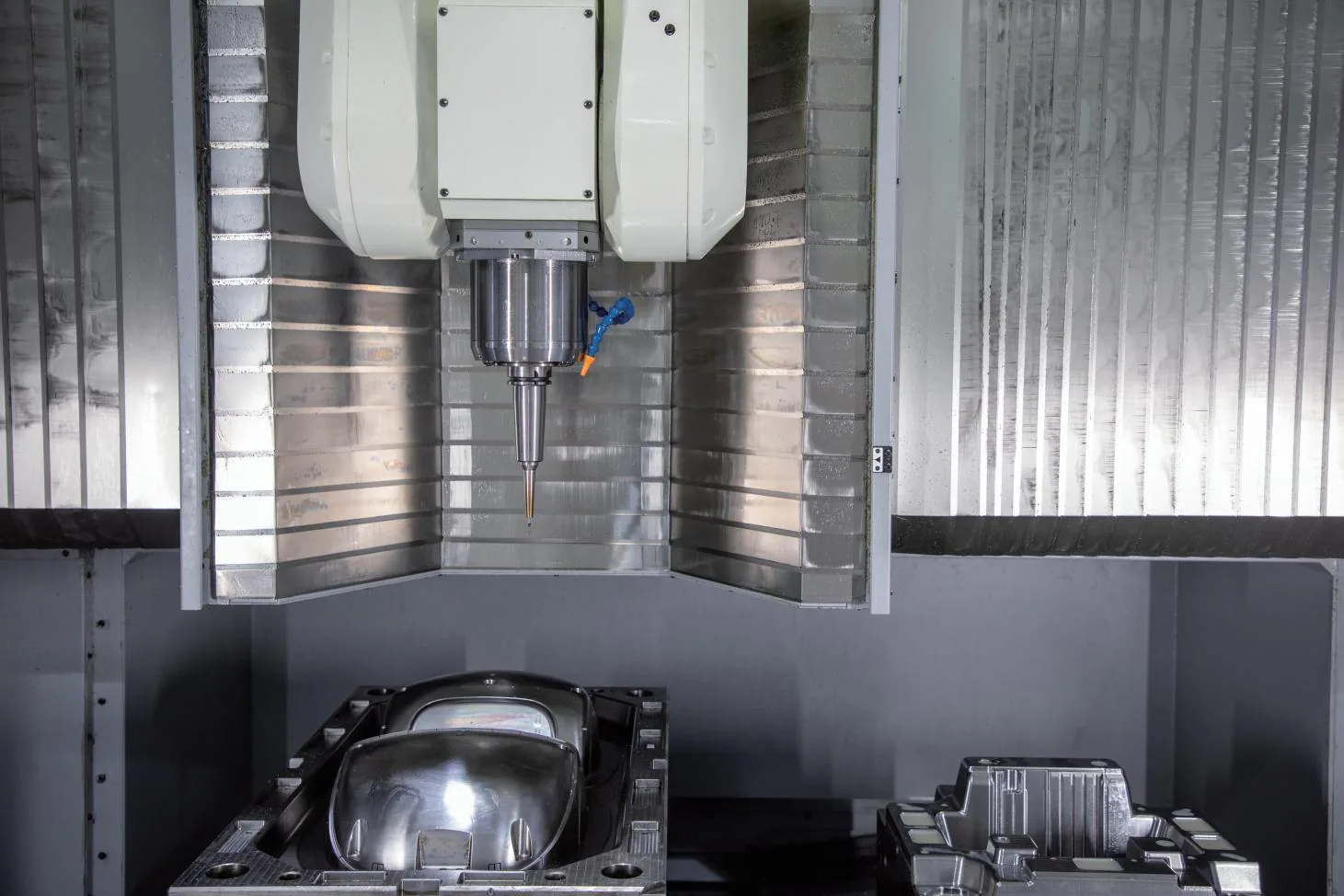
Material Inspection & Mold Manufacturing
Mold materials are checked with hardness testing and dimensional checks, as applicable. The mold is then manufactured using the machining, fitting, and assembly operations its design requires; the sequence depends on the mold design, and not every mold uses every process.
Phase 4
Mold Trials
First Mold Trial (T1)
The first mold trial is run and the molded parts are evaluated against the project requirements.
Mold Adjustment
Necessary adjustments are made to the mold based on the T1 findings.
Second Mold Trial (T2)
A second trial assesses the adjustments. Depending on the agreed acceptance criteria, further corrective work or trials may be needed.
Phase 5
Inspection & Delivery
Pre-Shipment Inspection
Before shipment, the mold is disassembled, inspected, and reassembled.
Documentation & Delivery
The applicable delivery documents are prepared, and the mold is packed and shipped.
- Product acceptance report
- Packing list
- Mold operation manual
- After-sales maintenance and repair manual
- Packing photographs and videos
- Shipment photographs and videos
Customer Documentation
Engineering & Delivery Documents
Engineering documents are shared with you for approval before manufacturing begins, and the applicable delivery documents accompany the finished mold.
For engineering approval
Stages 04–05- Mold design drawings
- DFM report
- Mold-flow analysis report
At delivery
Stage 11- Product acceptance report
- Packing list
- Mold operation manual
- After-sales maintenance and repair manual
- Packing photographs and videos
- Shipment photographs and videos
The applicable documents are confirmed for each project.
Engineering
Engineering Considerations
General topics typically reviewed when developing an injection mold for a plastic part.
Part Geometry & Manufacturability
Wall thickness, draft angles, ribs, bosses, and undercuts affect how the part fills, cools, and releases, and are reviewed early to avoid unnecessary tooling complexity.
Material Selection
The plastic material influences shrinkage, flow behavior, processing temperature, and surface appearance, which in turn shape the mold design.
Mold Structure
The number of cavities, the parting line, the gating and runner system, and any slides or lifters for undercuts determine the overall mold layout.
Cooling & Ejection
Cooling channel layout affects part distortion and process consistency, while ejector placement must release the part without marking visible surfaces.
Surface Finish
Polished, textured, or paint-ready surfaces follow from the part's appearance requirements and influence mold surface preparation, draft, and gate location.
Assembly & Fit
Critical dimensions, clip and boss locations, and interfaces with mating parts are identified so the mold design supports the required fit in assembly.
General engineering topics for discussion. Project-specific recommendations depend on the part design and requirements.
Inquiry Preparation
Information Helpful for Project Review
- 2D drawings or 3D CAD models
- Part material requirements
- Expected production quantities
- Surface finish requirements
- Critical dimensions or assembly interfaces
- Target market and applicable requirements
- Project timeline
Online CAD upload and file sharing are not yet available. A secure option will be provided when online quote requests become available.
Request a Quote
Discuss Your Injection Mold Project
Review the quote information to see what to prepare. Online quote requests are being set up; in the meantime, contact INJ Mold Pro by email or phone using the details below.