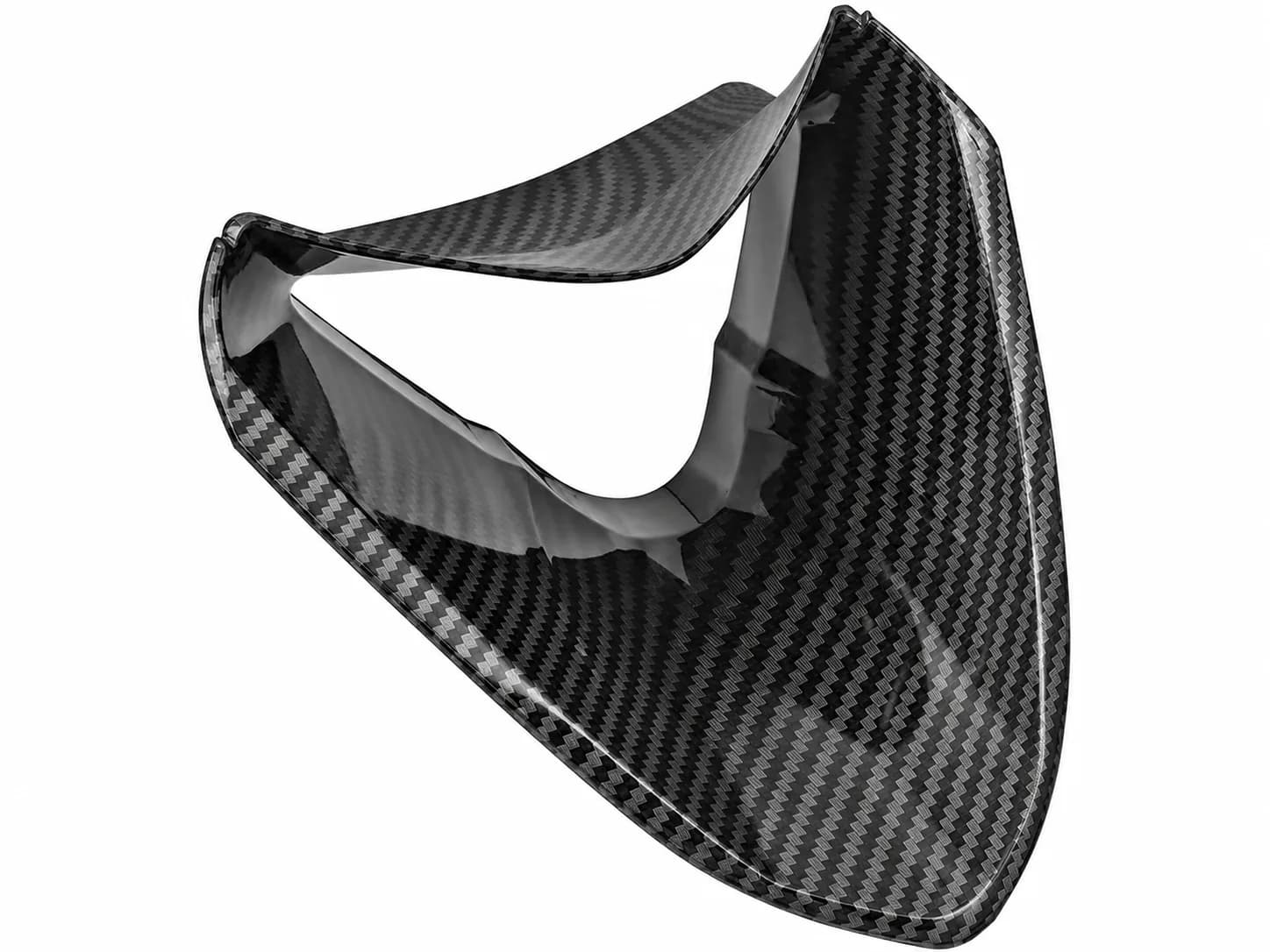
Front Fairing Panels
The forward panel around the headlight and windscreen opening. It often sets the reference edges that side panels, the windscreen, and mirror or indicator mounts align to.
Motorcycle Fairing Tooling
Injection mold tooling for motorcycle fairing panels and covers, where several large, visible parts must meet cleanly around the headlight, windscreen, and tank area.
Discuss Your Fairing Mold ProjectApplications
A fairing is usually an assembly of several molded panels, so the tooling for each panel is planned with its neighboring parts in mind.
The forward panel around the headlight and windscreen opening. It often sets the reference edges that side panels, the windscreen, and mirror or indicator mounts align to.
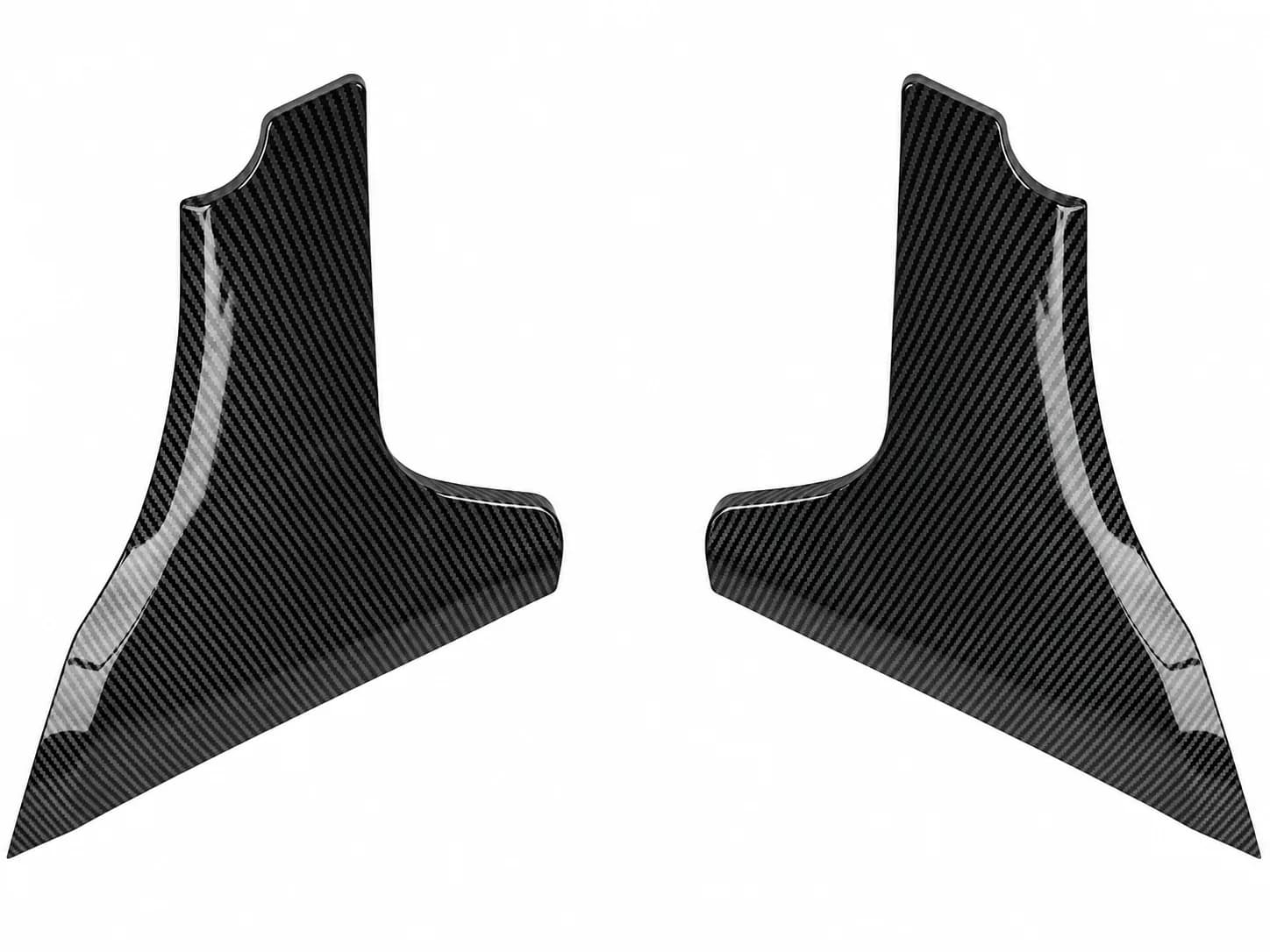
Long, sweeping panels along the sides of the motorcycle that meet the front fairing, tank area, and lower panels at visible joint lines.
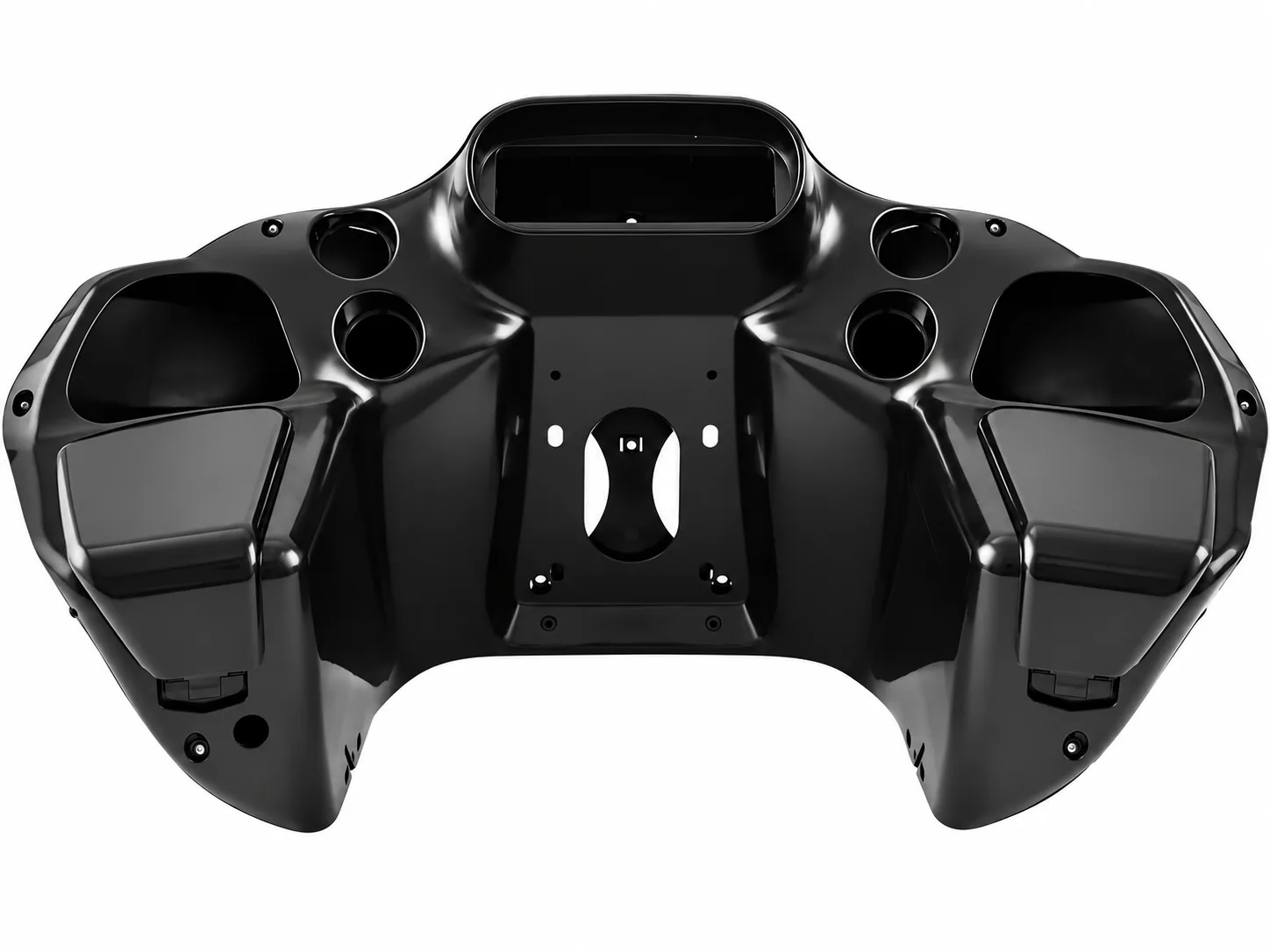
Inner covers and trim around the cockpit, windscreen, and instrument area, which combine visible surfaces with many clips and locating features.
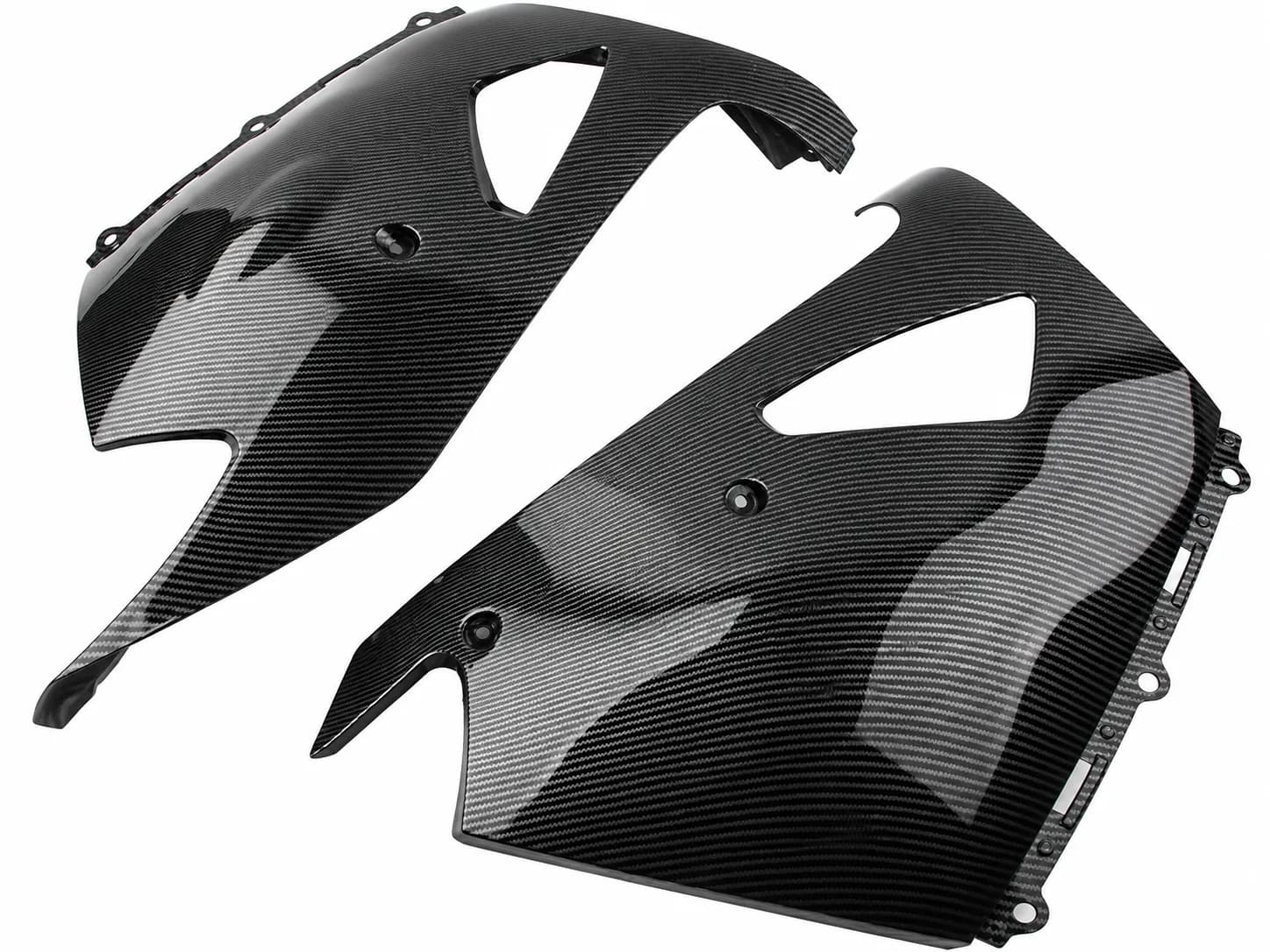
Lower cowls and belly pans close to the engine and the road, which may include vent openings and see heat, spray, and debris.
Typical application categories, not a list of completed projects.
Design Considerations
Engineering topics that typically shape fairing tooling. Which of them apply depends on the panel and the fairing design.
Neighboring fairing panels meet at visible joints where gap and flush are easy to see. Mating edges and overlaps are reviewed together with the adjacent parts, so the mold reproduces those edges consistently from shot to shot.
Large show surfaces reveal flow lines, sink, and gate marks clearly. Gate positions, the ribs and bosses behind the show side, and whether the panel will be painted or molded in color are settled early because they shape the mold design.
Screw bosses, grommet pins, clips, and locating tabs on the inner side connect each panel to brackets and to its neighbors. Where they form undercuts, lifters or slides may be needed, positioned to keep marks off the visible side.
Depending on the design, a fairing may include air vents, louvers, or openings for indicators, mirrors, and the headlight. Thin slats and openings add shut-off areas and weld lines that are considered when gates and mold venting are planned.
Fairing panels typically curve in more than one direction and are large relative to their wall thickness. The mold-flow analysis reviews filling and expected warpage, and its results inform gate layout and cooling before the mold design is approved.
Upper fairings frame the windscreen, instruments, and mirrors. The mounting points and edges in this area must line up with parts that are often made elsewhere, so their reference positions come from the customer's assembly design.
Application-dependent considerations. Not every fairing design includes all of these features.
Fairing molds follow the shared engineering-to-delivery workflow, in which mold design drawings, the DFM report, and the mold-flow analysis are submitted for your approval before manufacturing begins.
See the full manufacturing processInquiry Preparation
File sharing is not open yet. A secure option will be provided when online quote requests become available.
Request a Quote
Review the quote information to see what to prepare. Online quote requests are being set up; in the meantime, contact INJ Mold Pro by email or phone using the details below.