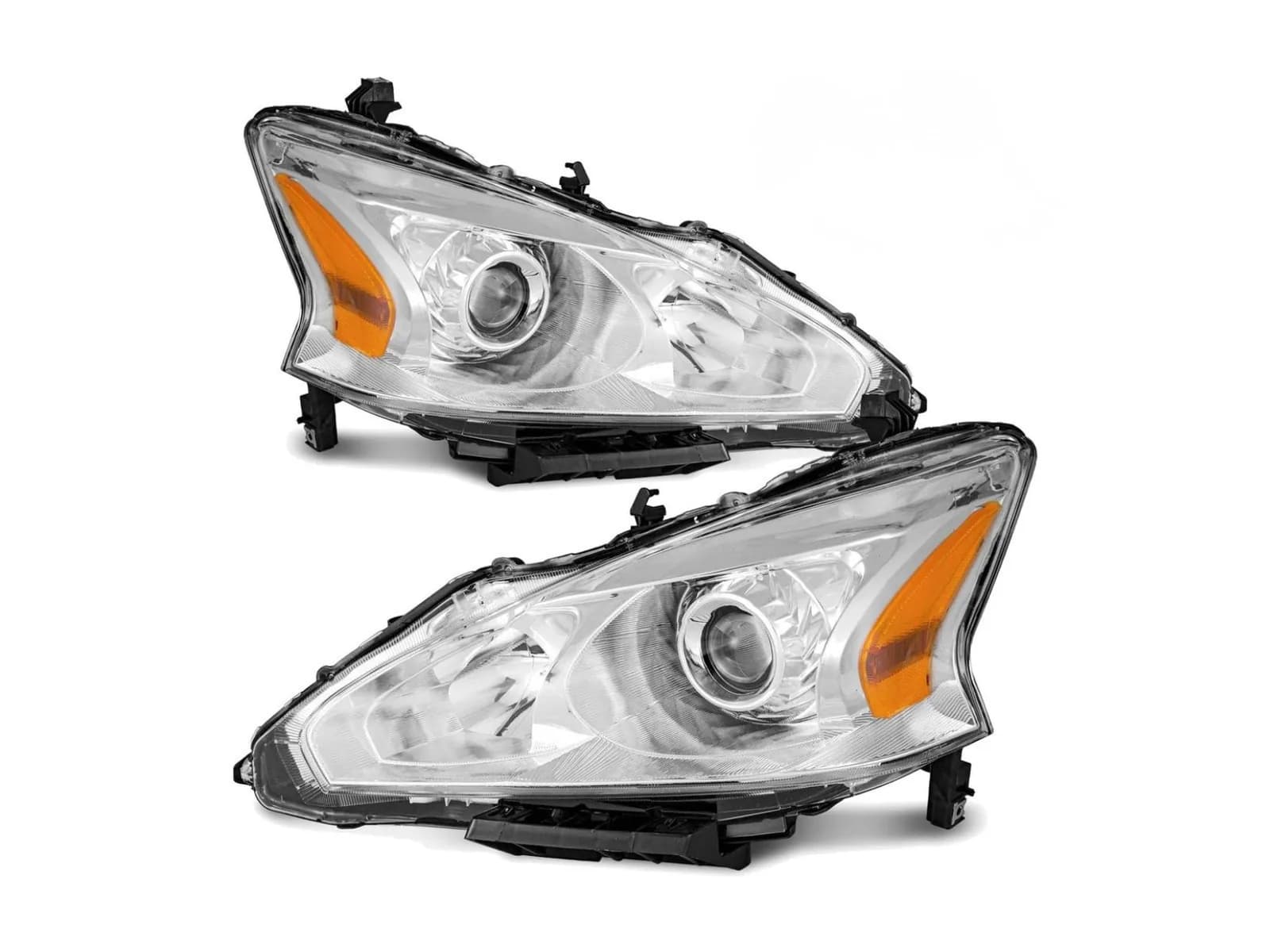
Headlamp Housings
Deep rear housings for front lamp assemblies, carrying internal mounts for light modules and aiming adjusters.
Automotive Lighting Housing Tooling
Injection mold tooling for automotive headlamp and tail lamp housings: deep parts that carry reflectors and light modules inside and join to a lens along a continuous interface.
Discuss Your Lighting Housing Mold ProjectApplications
Vehicle lamps are sealed assemblies in which a plastic housing carries the internal parts, joins to the lens, and mounts the lamp to the body.
Deep rear housings for front lamp assemblies, carrying internal mounts for light modules and aiming adjusters.
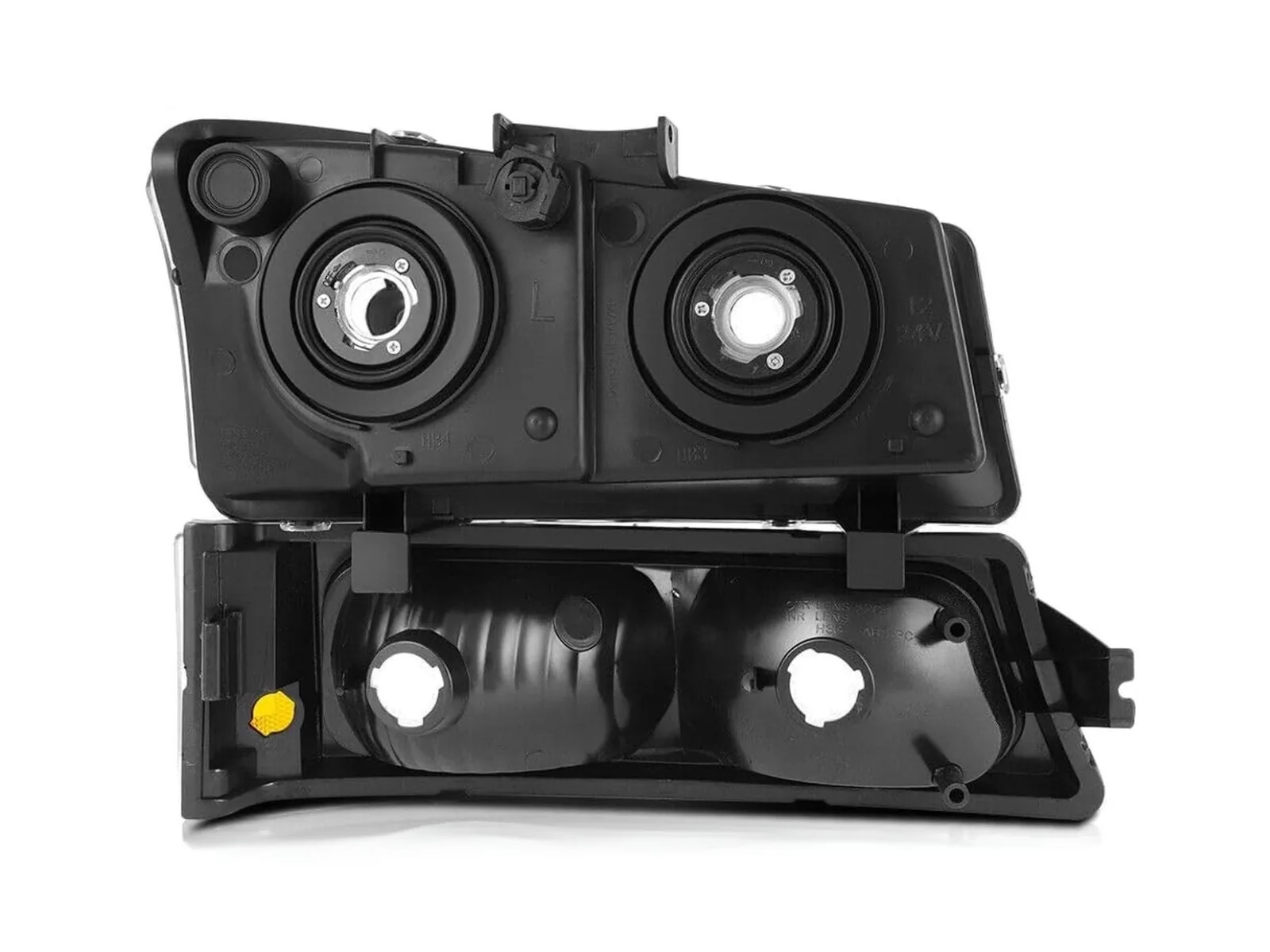
Housings for rear lamp assemblies that often follow the body contour and meet the rear panel or tailgate.
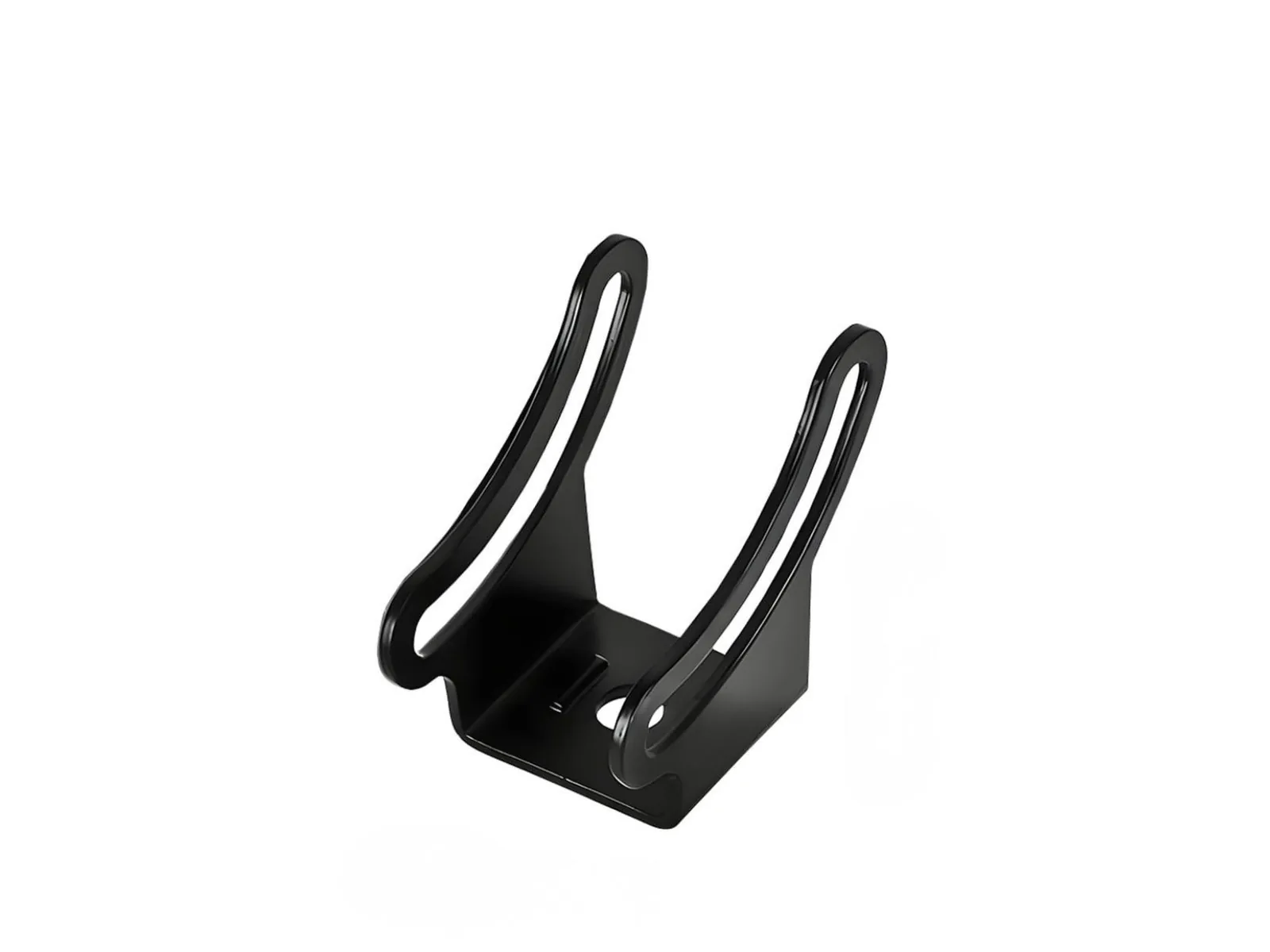
Brackets and supports that locate the lamp assembly on the vehicle body.
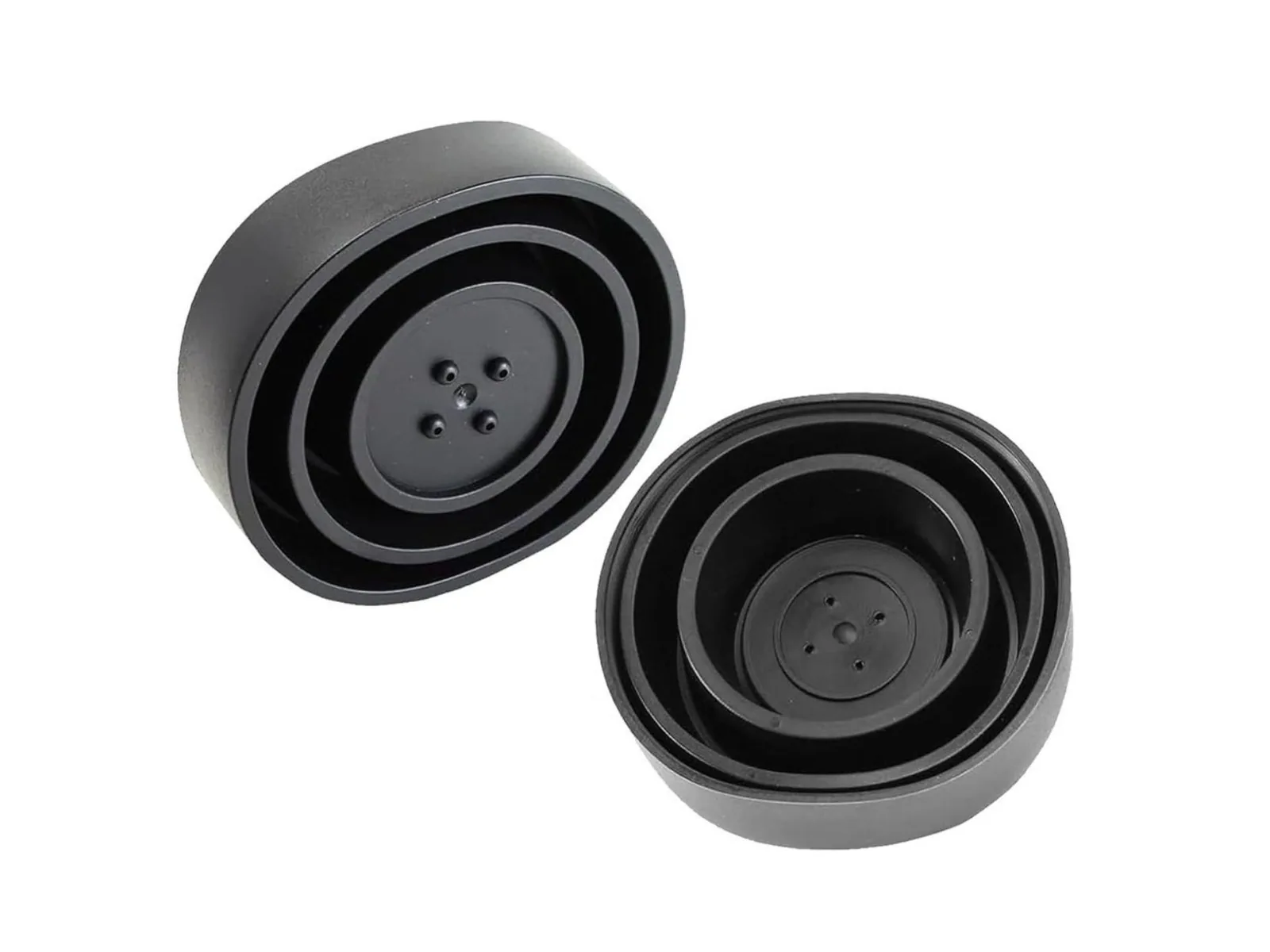
Housings and covers for smaller lamps, such as fog or marker lamps, and caps that close service openings.
Typical application categories, not a list of completed projects.
Design Considerations
Engineering topics that typically shape automotive lamp housing tooling. Which of them apply depends on the lamp design and its assembly method.
Automotive lamp housings are often deep and large, with internal walls, bosses, and ribs that carry reflectors, light modules, and wiring. Deep, enclosed features call for early planning of cores and mold actions.
The housing joins the outer lens along a continuous flange or groove. Depending on the assembly method, such as adhesive bonding or welding, the joint geometry and its flatness requirements are defined by the lamp design and reproduced by the mold.
Where specified, sealing grooves, vent openings, or seats for vent membranes are molded into the housing. Their geometry follows the lamp design; sealing and venting performance are validated as part of the lamp assembly.
Reflectors or light modules sit on internal mounting points, and aiming adjusters attach at defined pivot and screw positions. These reference features position other parts of the lamp, so they are among the most closely reviewed areas of the mold design.
The housing carries the tabs and locating features that mount it to the body, plus connector and service openings. Their positions come from the vehicle and lamp designs, and the undercuts they create are reviewed for mold actions.
Areas near light sources and electronics can see elevated temperatures. The operating conditions specified by the customer guide the material choice, which in turn affects shrinkage and the mold design.
Application-dependent considerations. This page does not claim optical performance, certified sealing, ingress protection ratings, regulatory compliance, or validated thermal performance.
Lighting housing molds follow the shared engineering-to-delivery workflow: deep internal features and the lens joining interface are reviewed in the DFM report and mold design drawings you approve, and the housings are evaluated in the T1 and T2 trials.
See the full manufacturing processInquiry Preparation
File sharing is not open yet. A secure option will be provided when online quote requests become available.
Request a Quote
Review the quote information to see what to prepare. Online quote requests are being set up; in the meantime, contact INJ Mold Pro by email or phone using the details below.