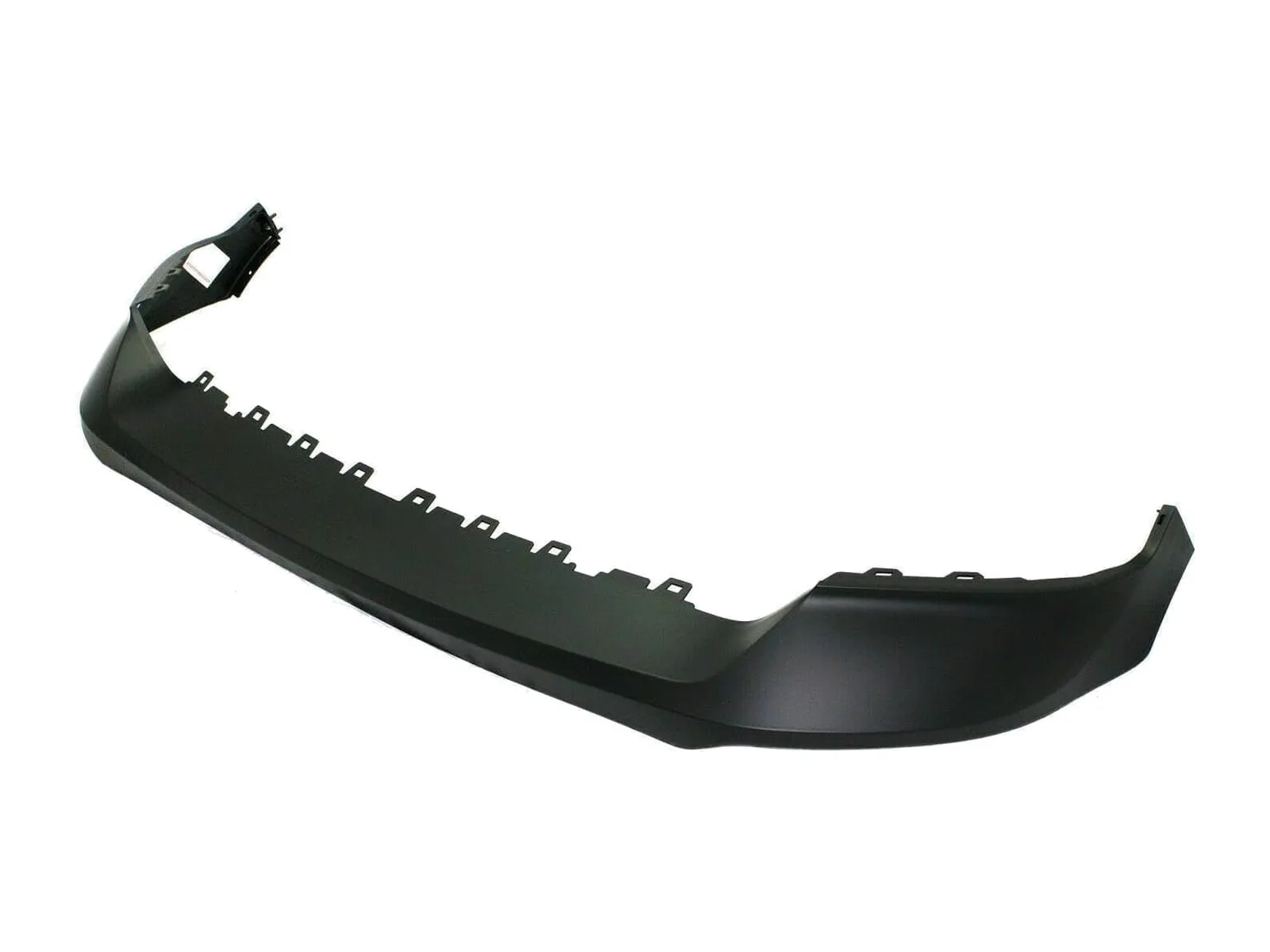
Bumper Fascias
The large painted or textured outer cover at the front or rear of the vehicle, usually the most visible part of the bumper system.
Automotive Bumper Tooling
Injection mold tooling for automotive bumper fascias and their supporting parts: some of the largest exterior plastic parts on a vehicle, which must fill evenly, hold their shape, and take paint well.
Discuss Your Bumper Mold ProjectApplications
A bumper system typically combines a large visible fascia with smaller molded parts that support it, close off gaps, or trim its edges.
The large painted or textured outer cover at the front or rear of the vehicle, usually the most visible part of the bumper system.
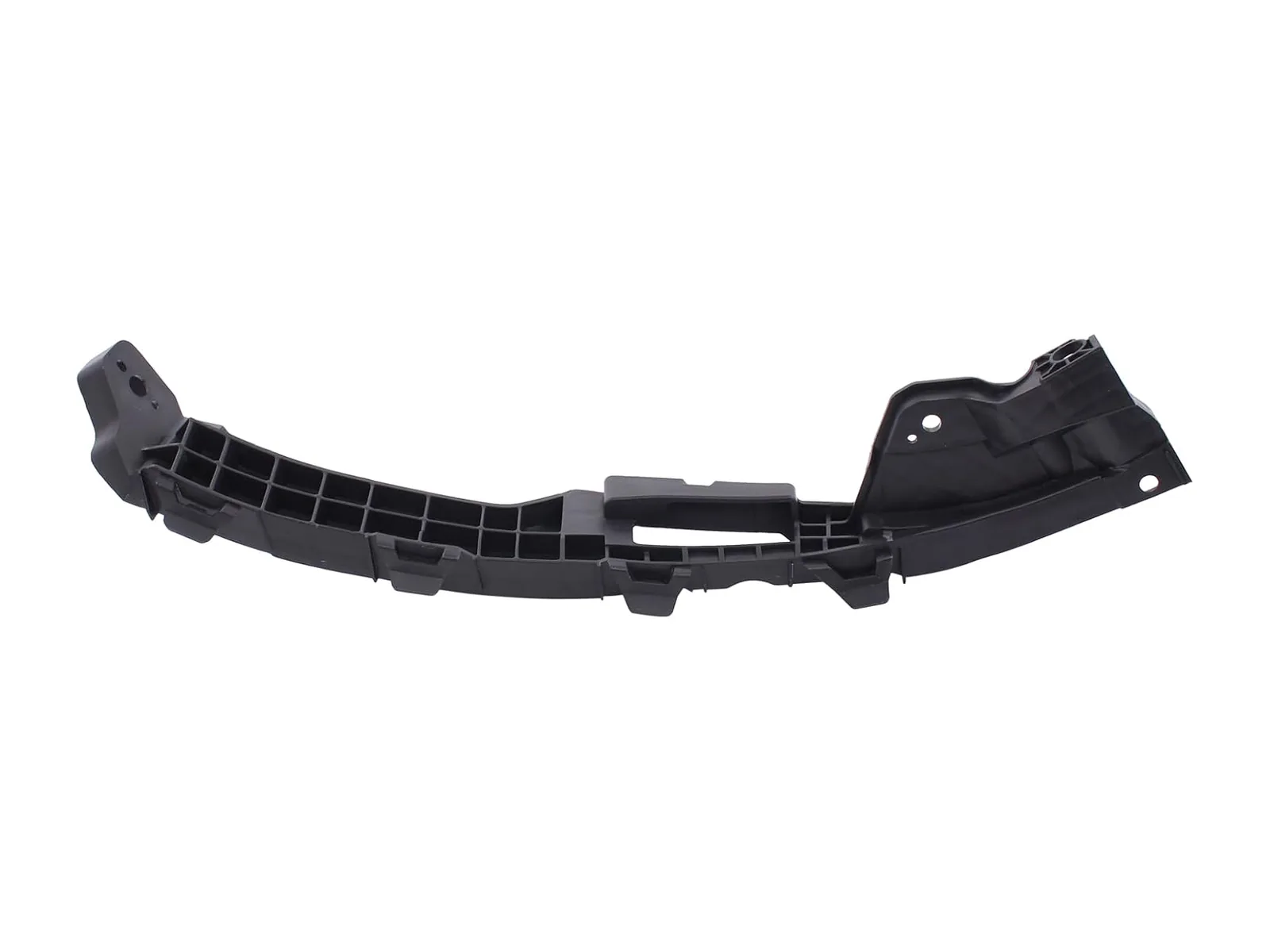
Molded brackets and retainers that locate the fascia and connect it to the vehicle body.
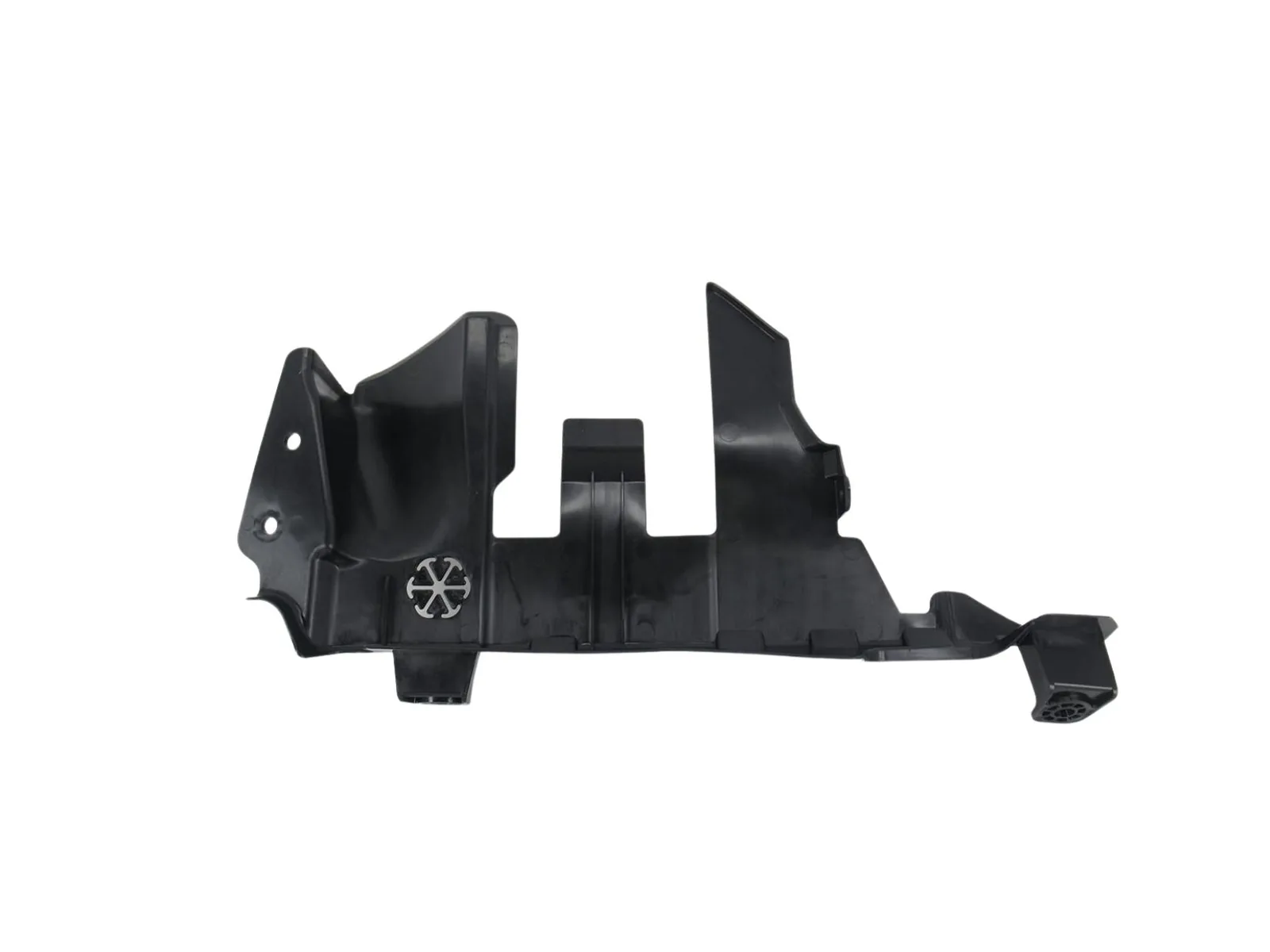
Panels that close gaps around the bumper or guide airflow, where function usually matters more than appearance.
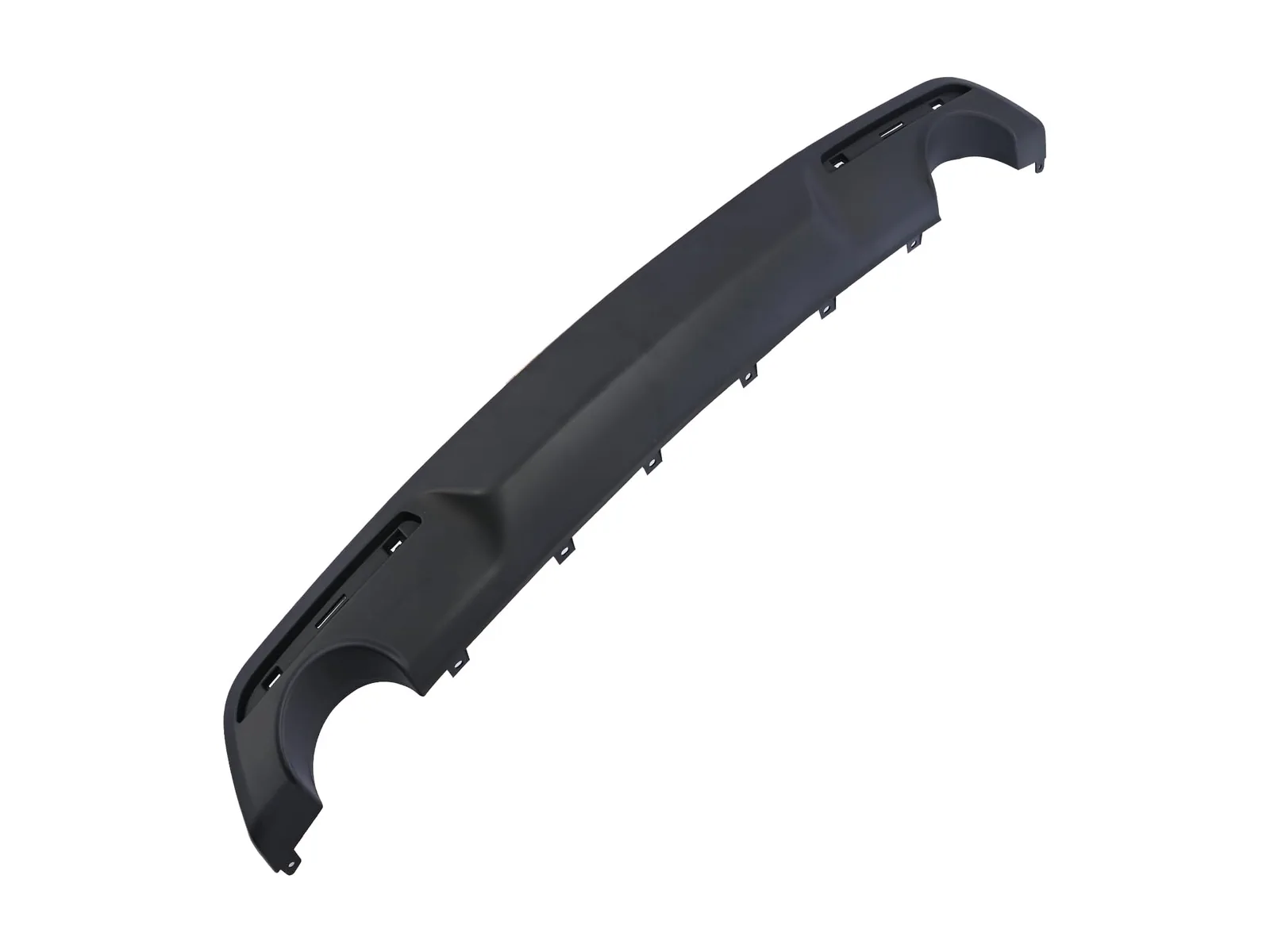
Lower trim pieces, valances, and covers that finish the bottom edge of the bumper.
Typical application categories, not a list of completed projects.
Design Considerations
Engineering topics that typically shape bumper tooling. Which of them apply depends on the bumper design and its variants.
Bumper fascias are among the largest exterior plastic parts on a vehicle, and the mold is correspondingly large and heavy. The part's size and wrap-around shape drive the mold layout, how the part is supported during ejection, and the press it needs.
Filling a long, thin fascia evenly usually takes several gates. Where hot runners with sequentially opened valve gates are used, the opening sequence helps control flow fronts and weld lines; the gating approach is set out in the tooling proposal and checked in the mold-flow analysis.
Corners, openings, and changing sections can make a fascia warp as it cools. The mold-flow analysis predicts deformation, and cooling, rib layout, and gate positions are adjusted to help the part hold its shape at the body mounting points.
Clip pockets, tabs, and screw points along the fascia edges connect it to brackets and the body. Many of them face sideways and need slides or lifters, which adds to the size and complexity of the mold.
Openings for parking sensors, fog lamps, or tow-hook covers may be molded in or made in a later operation, depending on the design and the number of vehicle variants the customer needs to cover.
Fascias are usually painted, and paint tends to reveal flow marks and sink. The surface quality needed before painting influences mold surface preparation and where gates can be placed.
Application-dependent considerations. This page does not state machine sizes, mold dimensions, or production capabilities.
Bumper molds follow the shared engineering-to-delivery workflow: gating, filling, and warpage are assessed in the mold-flow analysis submitted for your approval, and the molded fascias are evaluated in the T1 and T2 trials.
See the full manufacturing processInquiry Preparation
File sharing is not open yet. A secure option will be provided when online quote requests become available.
Request a Quote
Review the quote information to see what to prepare. Online quote requests are being set up; in the meantime, contact INJ Mold Pro by email or phone using the details below.