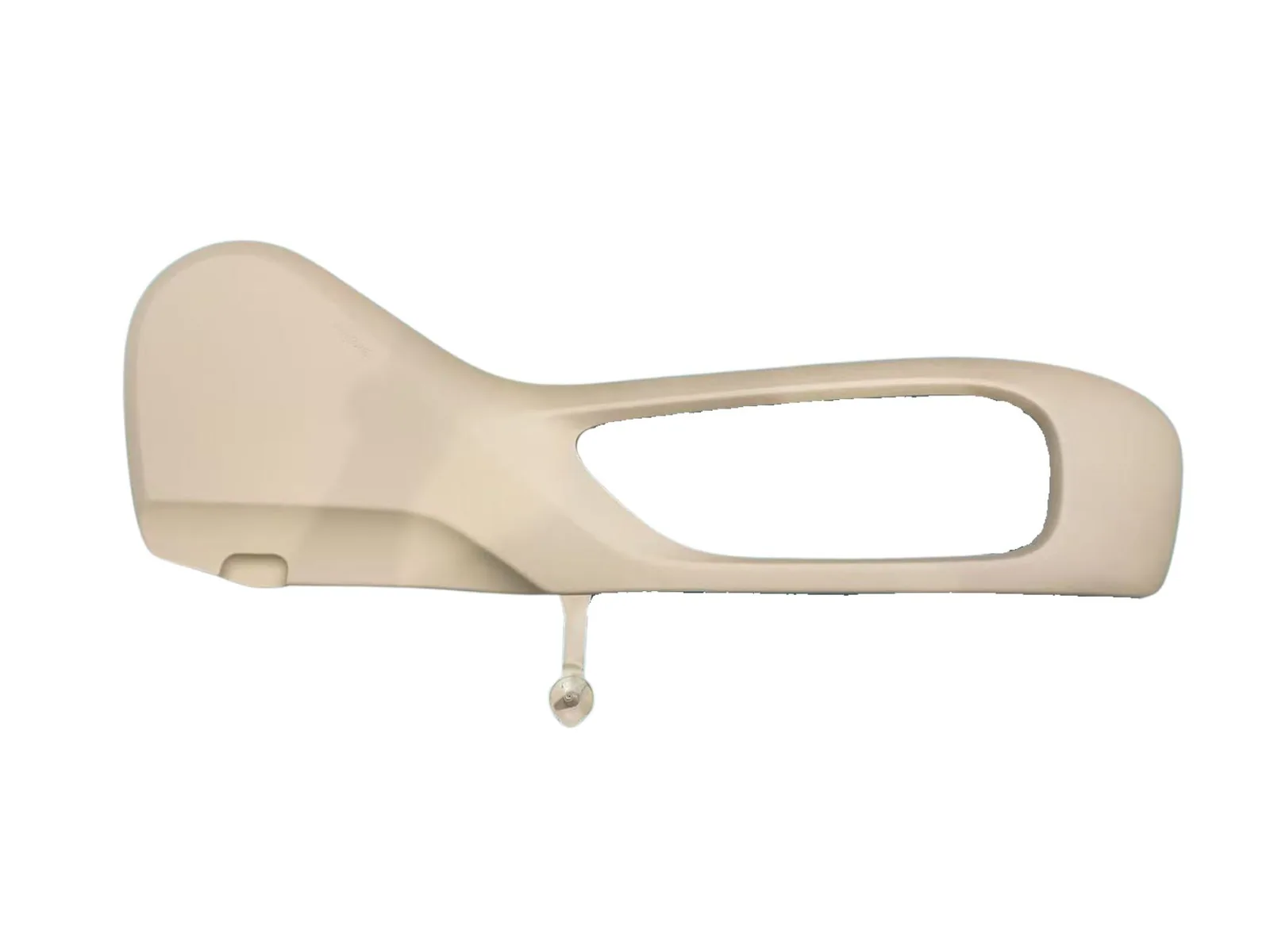
Door Trim Components
Door panel inserts, armrest covers, and trim pieces that combine visible grained surfaces with clips and mounting features.
Automotive Interior Trim Tooling
Injection mold tooling for automotive interior trim: door, console, and pillar parts that passengers see and touch, fitted closely to the parts around them.
Discuss Your Interior Trim Mold ProjectApplications
Interior trim parts are seen and touched by passengers, so they combine carefully specified surfaces with hidden features for mounting and assembly.
Door panel inserts, armrest covers, and trim pieces that combine visible grained surfaces with clips and mounting features.
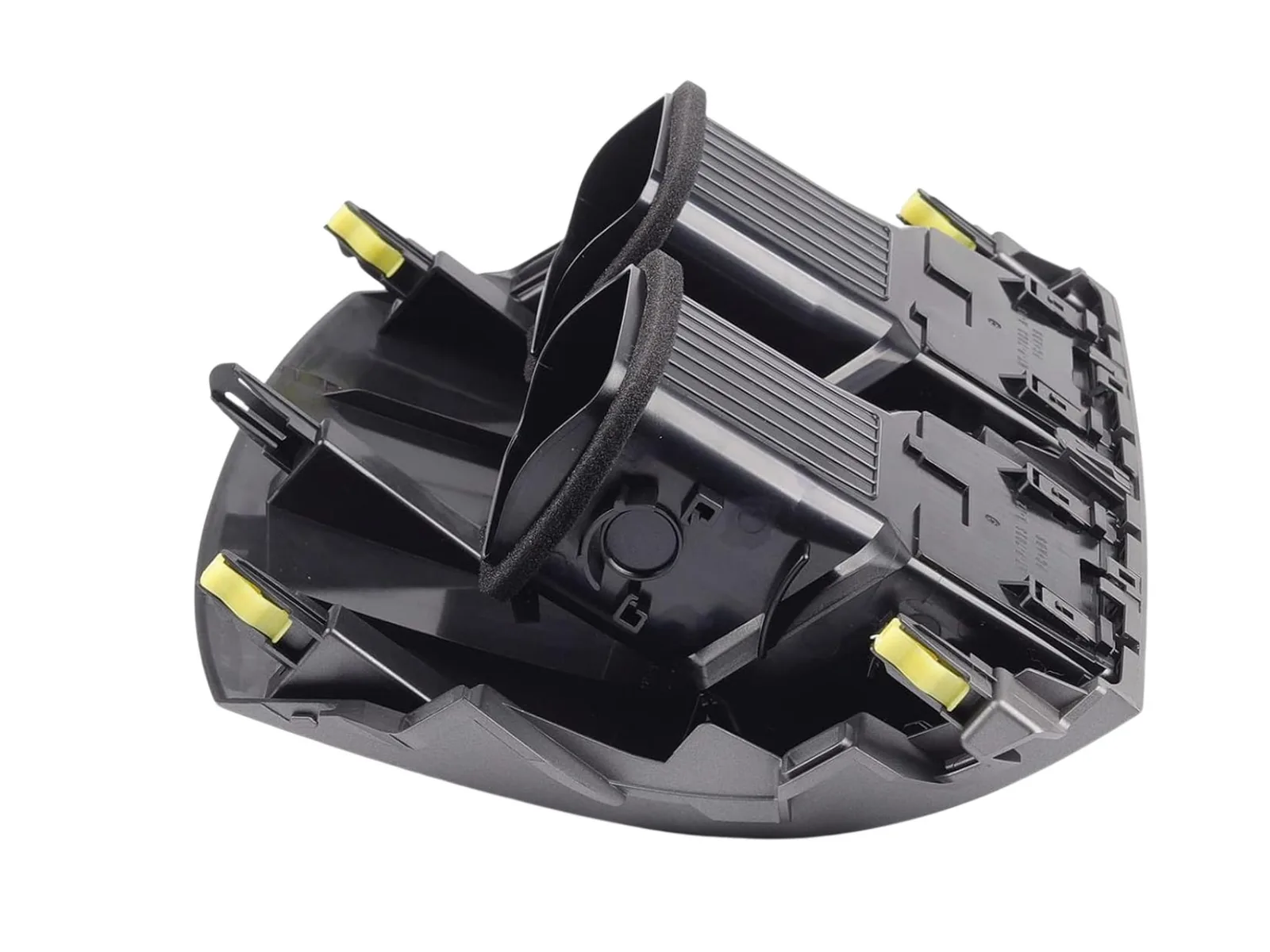
Trim panels and bezels around the center console and dashboard, often fitted closely to neighboring parts.
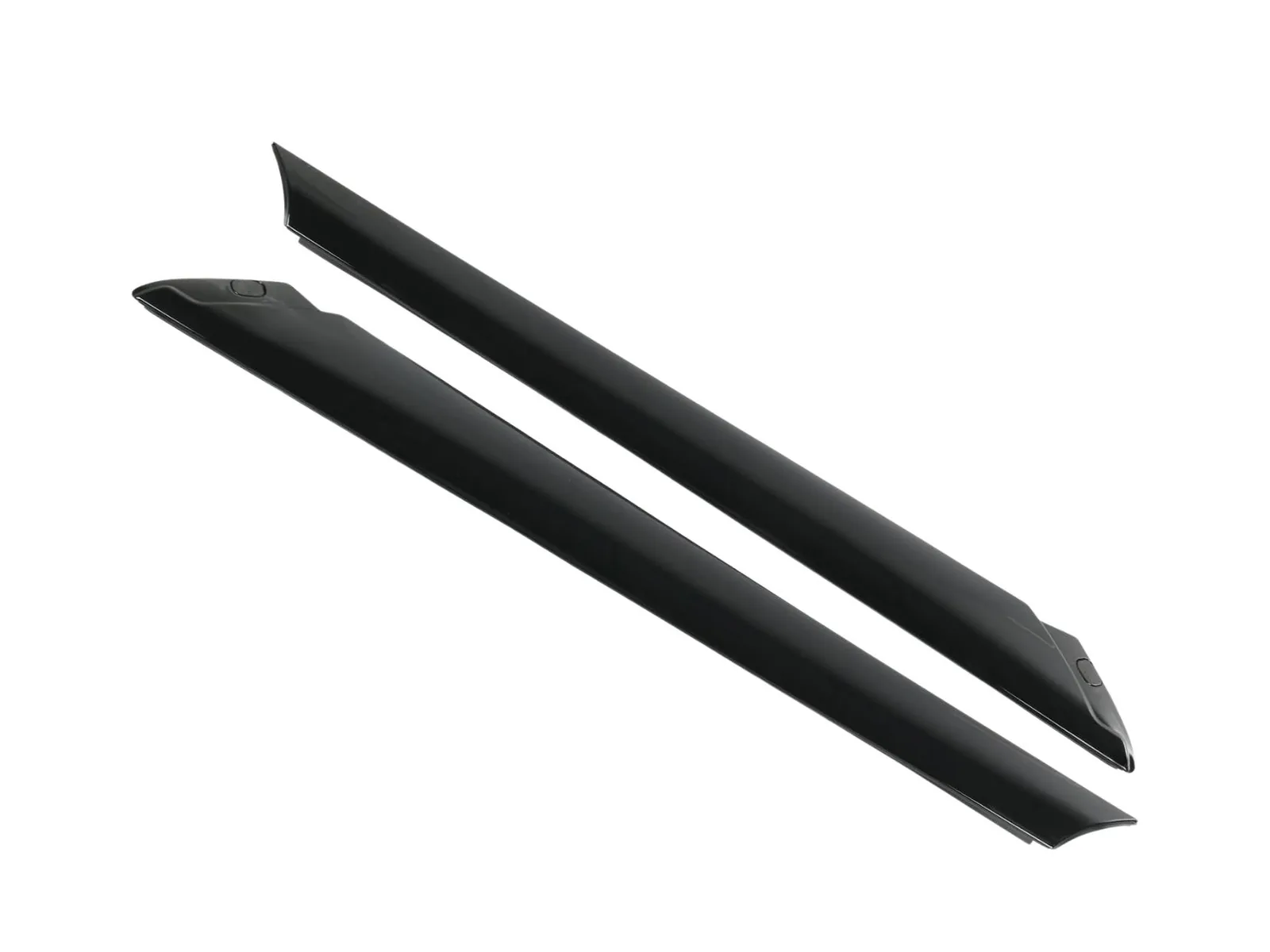
Covers for the vehicle pillars, typically long parts held by clips and shaped to follow the body structure.
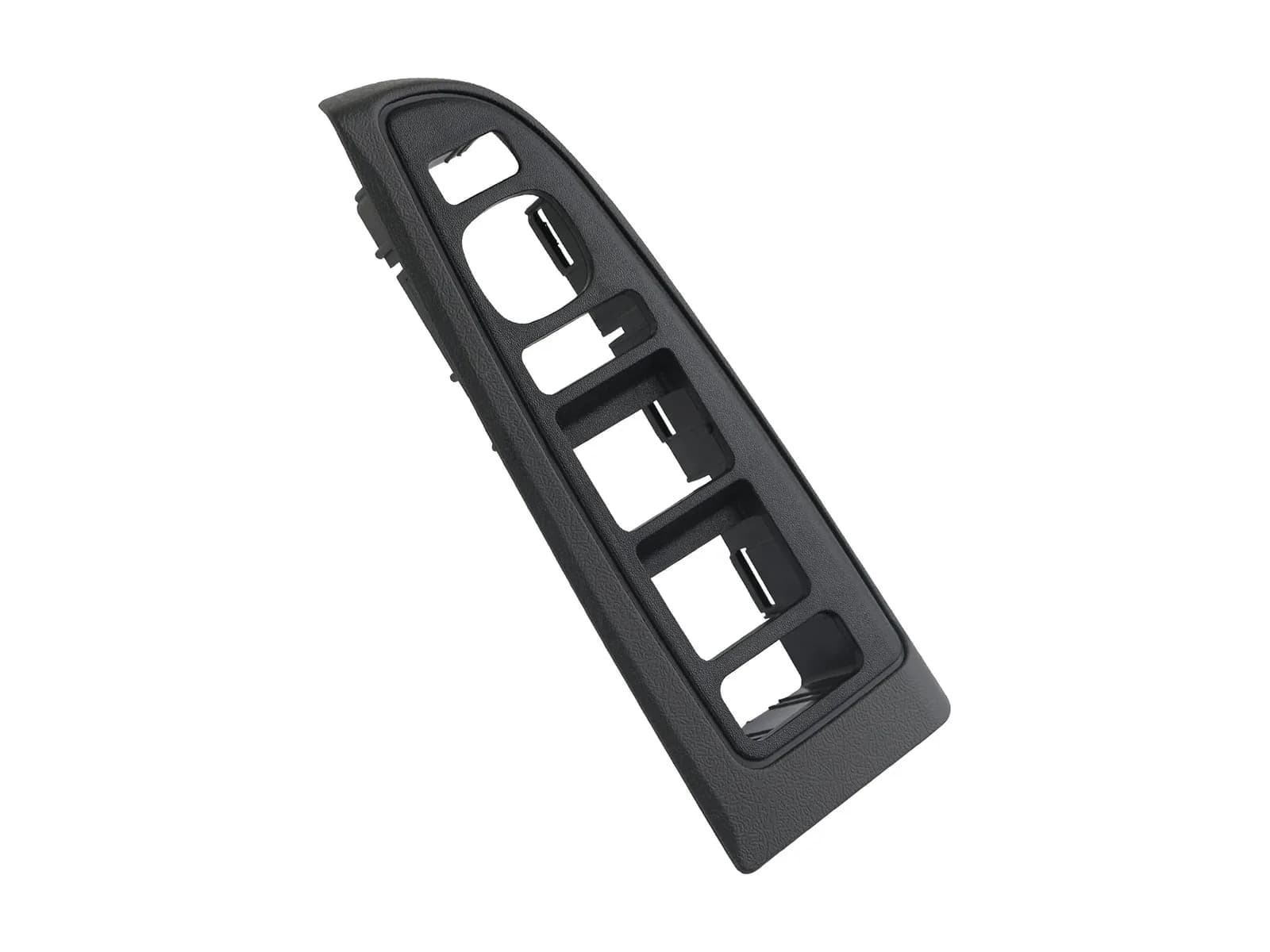
Smaller covers, bezels, and closeouts that finish switches, storage areas, and openings.
Typical application categories, not a list of completed projects.
Design Considerations
Engineering topics that typically shape interior trim tooling. Which of them apply depends on the part and where it sits in the cabin.
Interior trim is often grained to match neighboring parts. The grain depth sets the draft needed on side walls, and the pattern is planned so it looks consistent across curved areas and from one part to the next.
Depending on the design, trim may be high-gloss, painted, or decorated, and some parts combine different surfaces. Each finish places its own demands on mold surface preparation, gate location, and weld-line placement.
Trim panels sit next to other trim, the dashboard, and the door structure with visible gaps. Gap and flush requirements come from the vehicle design and guide both the edge geometry and the locating features that position each part.
Clip towers (sometimes called dog houses) and screw bosses on the back of a panel hold it to the vehicle structure. These tall features sit behind visible surfaces, so their walls are balanced against sink, and side-facing clip windows may need lifters.
Many interior parts are assembled from several pieces, joined for example by heat staking, screws, or clips, or tucked under neighboring trim. Stake pins, locating ribs, and overlaps are placed so joints stay out of the passenger's view.
Expectations differ between a door insert, a console bezel, and a pillar cover. The customer defines which surfaces are visible and to what standard, and those zones decide where gates, ejectors, and parting lines may go.
Application-dependent considerations. This page does not state quality ratings or certifications.
Interior trim molds follow the shared engineering-to-delivery workflow, where visible zones and the positions of gates and ejectors are agreed in the DFM report and mold design drawings you approve before manufacturing begins.
See the full manufacturing processInquiry Preparation
File sharing is not open yet. A secure option will be provided when online quote requests become available.
Request a Quote
Review the quote information to see what to prepare. Online quote requests are being set up; in the meantime, contact INJ Mold Pro by email or phone using the details below.